Keeping weight off after GLP-1 use.
From The GLP-1 source by Michael Stephens, a post I am in 100% agreement with.
How to Keep the Weight Off After GLP-1 Medications
- May 1
- 4 min read
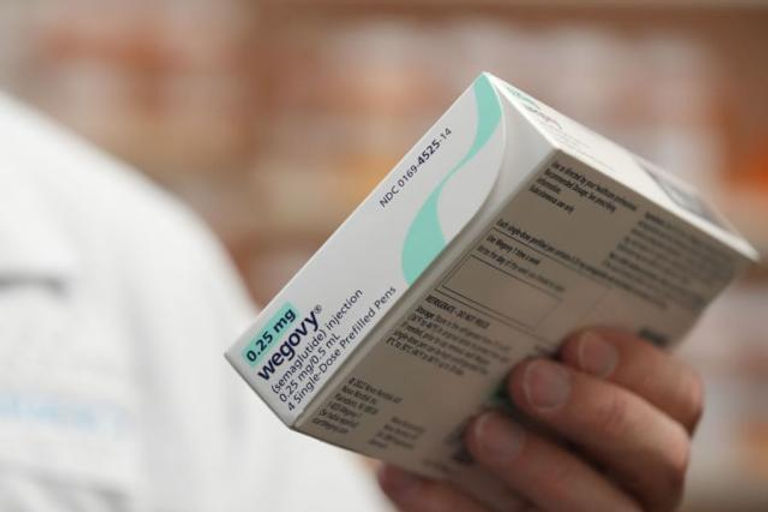
So… you’ve lost weight with Ozempic, Mounjaro, Wegovy, or Zepbound — maybe you’re still taking it, maybe you’re even thinking about stopping. But now the big question is…

How do I keep it off?
Here’s the truth no one really talks about: weight loss is only the beginning. The real challenge? Keeping that weight off for good.
In this blog, I’m walking you through the same step-by-step strategy I’ve seen work time and time again — a strategy that helps avoid the dreaded regain and gives you confidence in your long-term plan.
Why Weight Regain Happens (And Why It’s Not Inevitable)
Let’s get honest: weight regain after stopping a GLP-1 is super common — but it doesn’t have to be your story.
Here’s what’s happening behind the scenes. These medications mimic a hormone in your gut called GLP-1, which helps:
- Suppress appetite
- Slow digestion
- Regulate blood sugar
When you stop the meds, those helpful effects fade. Hunger comes roaring back — thanks in part to another hormone called ghrelin (I call him Greedy Ghrelin — because that’s exactly how he acts).
The key to staying on track comes down to one thing: what you did with the time the medication gave you.
Did you use it to build better habits, or were you relying entirely on the meds to do the work? No shame either way — but knowing where you are helps you plan your next step.
Think of the Medication as a Bridge
This is the mindset shift that changes everything:
- Stop thinking of GLP-1s as the thing that made you lose weight.
- Start thinking of them as the tool that gave you the space to build a new lifestyle.
If you see it that way, you’ve already won half the battle. Now it’s time to reinforce the habits that will help you keep the weight off.
Here are the five foundational habits that matter most after you stop the medication:
1. Protein-First Nutrition
Even after you’re off the meds, protein is your best friend. Why?
- It keeps you fuller, longer
- Helps regulate blood sugar
- Preserves lean muscle, which keeps your metabolism running strong
Aim for 30–40g of protein per meal — especially breakfast and lunch. Trust me, when you start your day with protein, you’re way less likely to overeat later.
Think eggs, protein smoothies, Greek yogurt, or high-protein oats. Whatever works for you — just make it a priority.

2. Strength Training (Yes, You Can!)
When we lose weight, we lose both fat and muscle — and that muscle is what helps keep the weight off long-term.
You don’t need to become a gym rat. You just need consistent resistance training 2–3 times per week. That could mean:
- Dumbbells
- Resistance bands
- Bodyweight exercises like squats or push-ups
The goal is to maintain lean muscle mass so your metabolism doesn’t slow to a crawl. It makes a bigger difference than you think.
3. Daily Movement (Not Just Workouts)
You don’t need intense workouts every day — but you do need to move.
Walking, biking, stretching, yoga, dancing in the kitchen… it all counts. Movement supports your metabolism, helps regulate blood sugar, and improves your mood (which is key for emotional eating).
Aim for 7,000–10,000 steps a day — not because it’s magic, but because it keeps your body in a fat-burning rhythm.
4. Build Fullness Into Every Meal
Appetite control isn’t just about protein. You need fiber and healthy fats too.
These slow digestion and help you feel satisfied after a meal — which means fewer cravings later. Try:
- Veggies drizzled with olive oil
- Lentils with avocado
- Berries with almonds
- Whole grain toast with nut butter
If your meals are mostly fast-digesting carbs, you’re going to feel hungrier quicker. The trick is to build each plate with fullness in mind.
5. Sleep & Stress: The Underrated Duo
Sleep and stress don’t get enough credit, but they’re massive when it comes to weight maintenance.
Poor sleep and chronic stress raise cortisol — a hormone that messes with hunger, blood sugar, and your ability to stay consistent.
Aim for:
- 7–8 hours of quality sleep
- Some kind of daily stress relief (walking, journaling, breathwork, prayer, therapy — whatever helps you feel grounded)
This part isn’t a “nice to have” — it’s essential.
When Should You Stop Taking Your GLP-1?
The honest answer? Only when you’re ready.
That means:
- You’ve been consistent for at least 2–3 months
- You’re eating balanced meals without skipping
- You’re moving regularly
- You’re not using the meds as your only way to manage hunger or emotional eating
Stopping too early can leave you feeling out of control, and that’s frustrating. There’s no shame in staying on the meds longer if it gives you the space to lock in your habits.
What If You Regain a Few Pounds?
First: don’t panic. Life happens. Stress, travel, sickness, big transitions — it can all cause weight to creep back up.
What matters most is your response.
Go back to your five pillars:
✅ Are you sleeping?
✅ Are you moving your body?
✅ Are you eating enough protein and fiber?
✅ Are you managing your stress?
✅ Are your meals consistent?
You might not need to go back on the meds unless hunger feels completely out of control or the weight gain is steady over a few months.
This is a long game. You’ve already done something hard. You can do hard things.
If you’re reading this, it means you care about your long-term health — not just a number on the scale. And that’s a big deal.
Your medication gave you the momentum. Now it’s time to let your habits carry you the rest of the way.